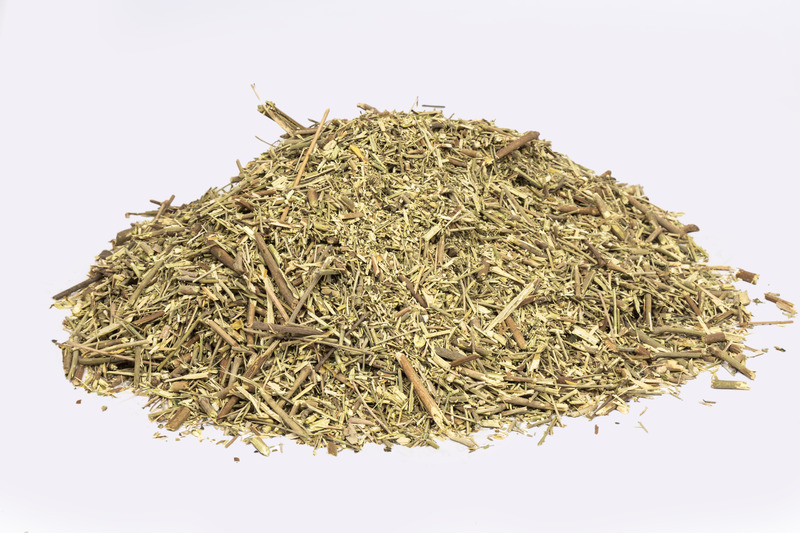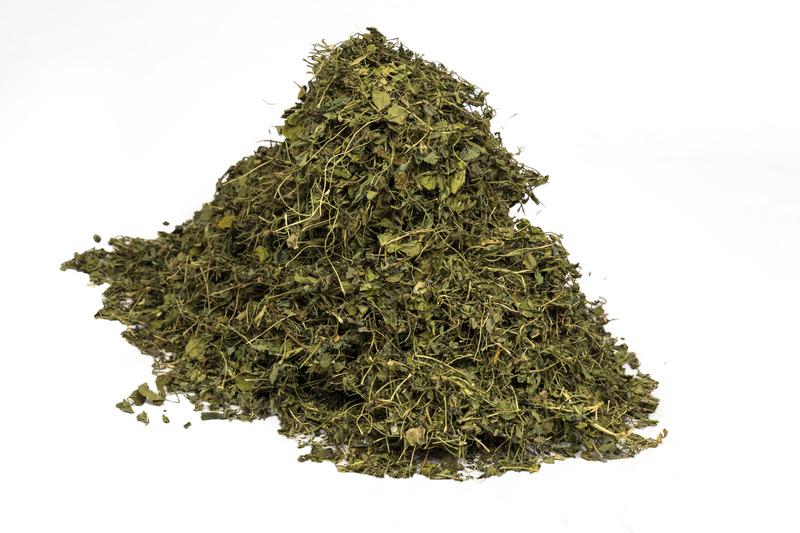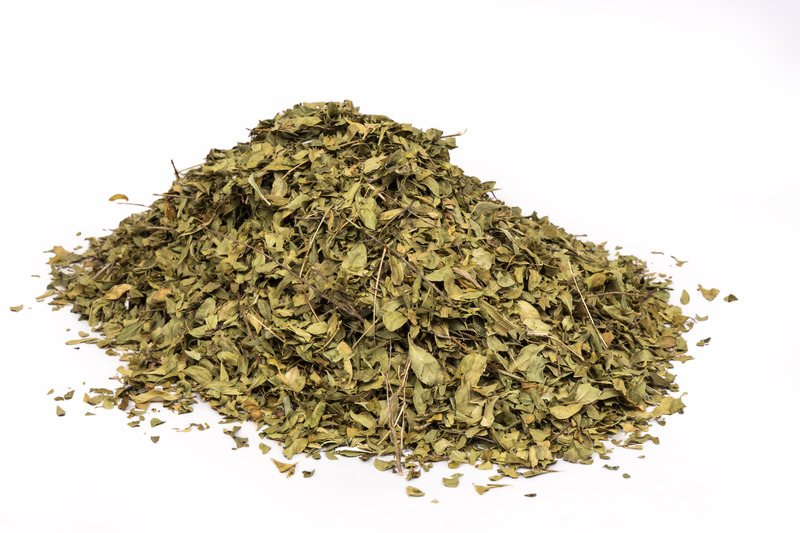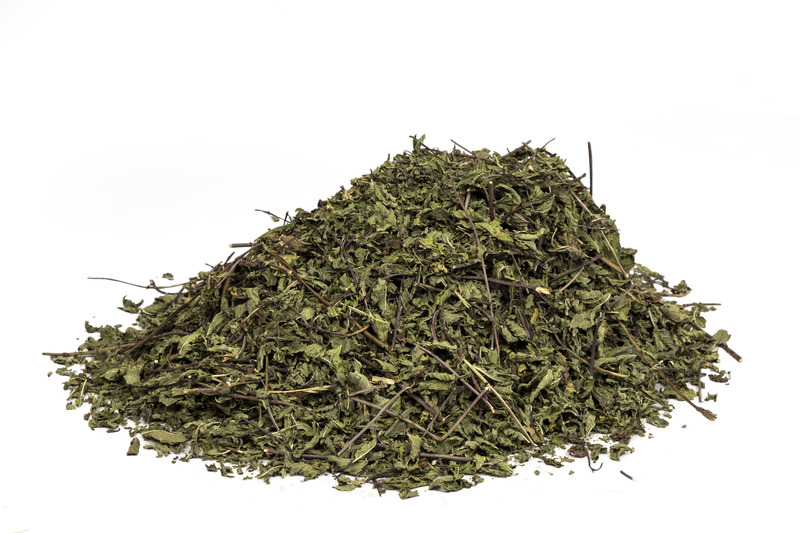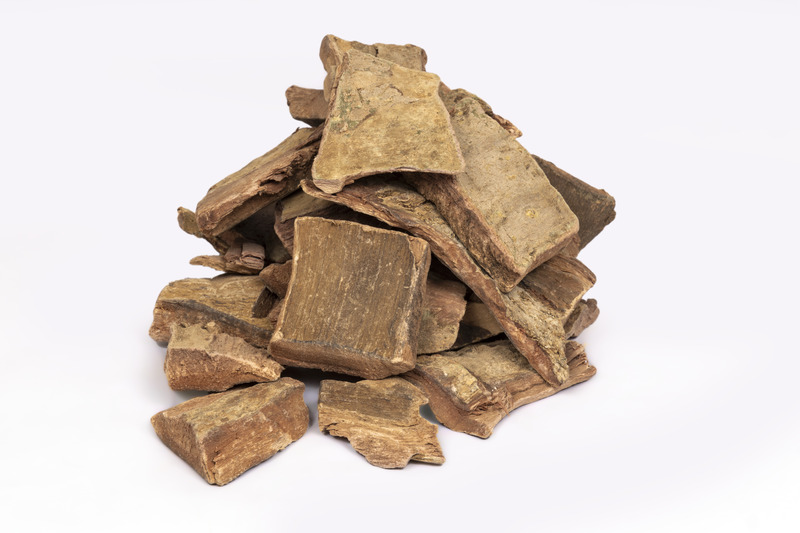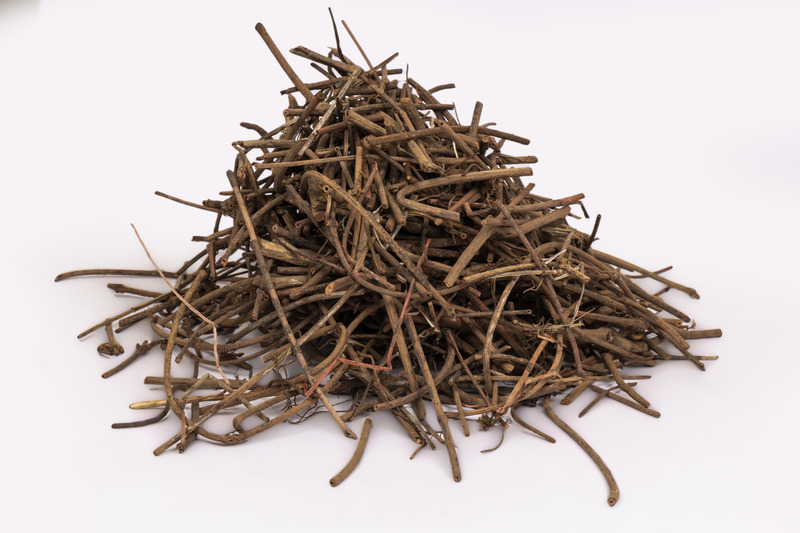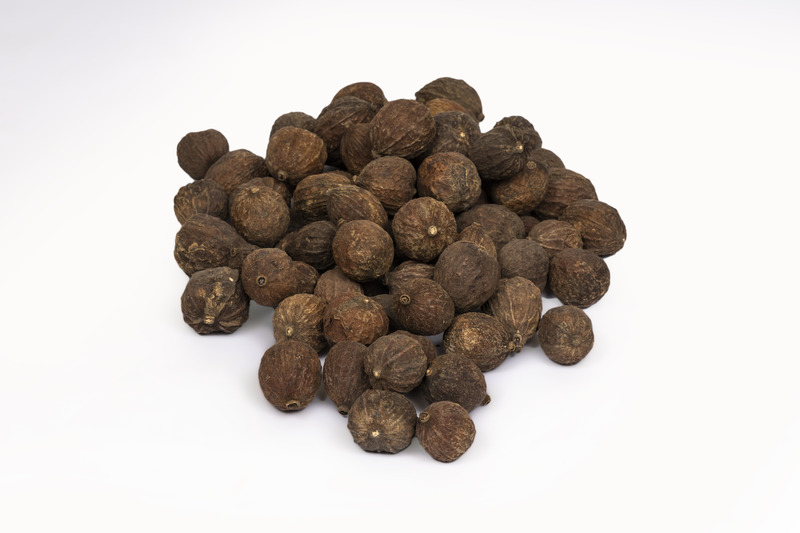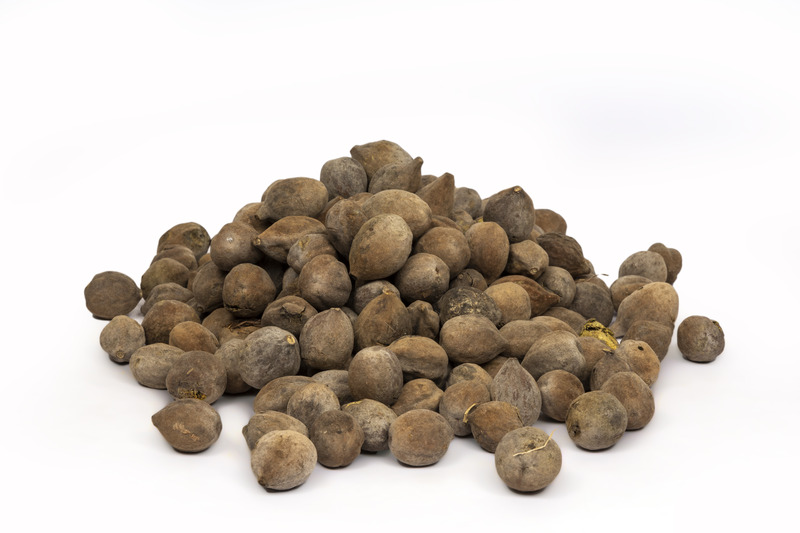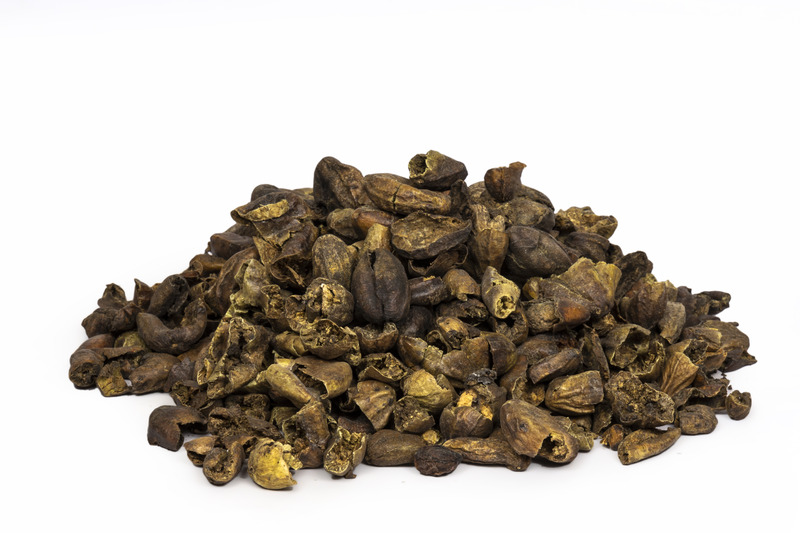
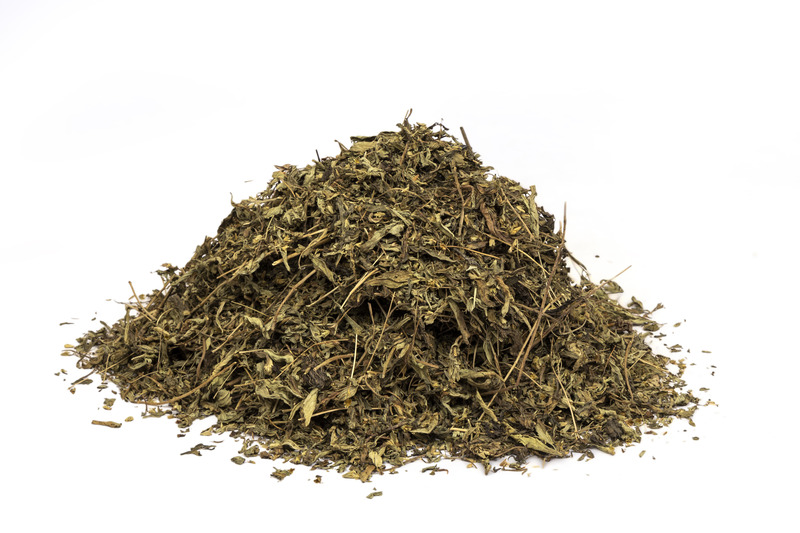
Stevia Rebaudiana, or Steavia, is a sweet herb native to South America, prized for its natural sweetness without calories. Its leaves contain steviol glycosides, making it a popular sugar substitute in food and beverages. Stevia is favored for its zero-calorie content and low glycemic index, which benefits those managing blood sugar levels or seeking a healthier alternative to refined sugar.
Berberis Aristata, known as Rasuat, is a medicinal plant used in traditional medicine. It contains berberine, which has antimicrobial and anti-inflammatory properties. Rasuat is utilized for its benefits in treating digestive disorders, skin conditions, and infections. Its bark and roots are commonly used in herbal remedies for their therapeutic effects on overall health and well-being.
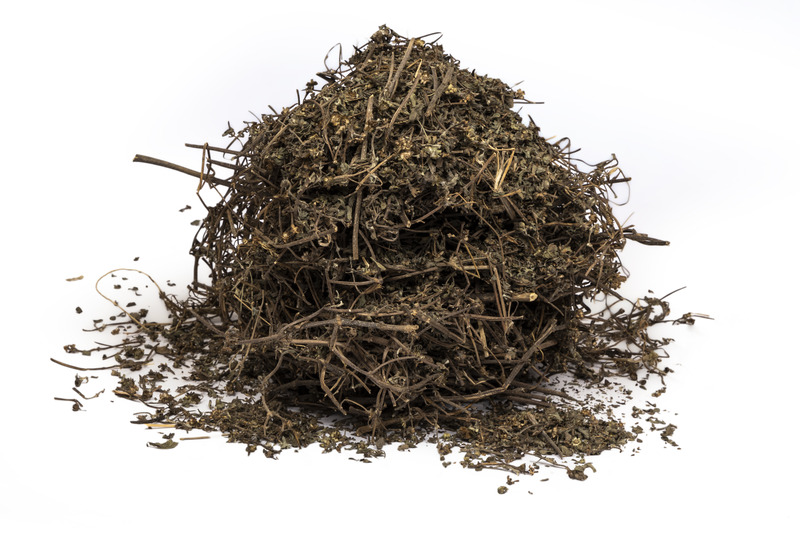
Mimosa Pudica, or Lajwanti, is a sensitive plant renowned for its touch-responsive leaves. It is used in traditional medicine for its astringent, anti-inflammatory, and antimicrobial properties. Lajwanti is valued for its ability to treat wounds, digestive issues, and menstrual disorders. Its unique reaction to touch and medicinal benefits make it a significant plant in holistic health practices.
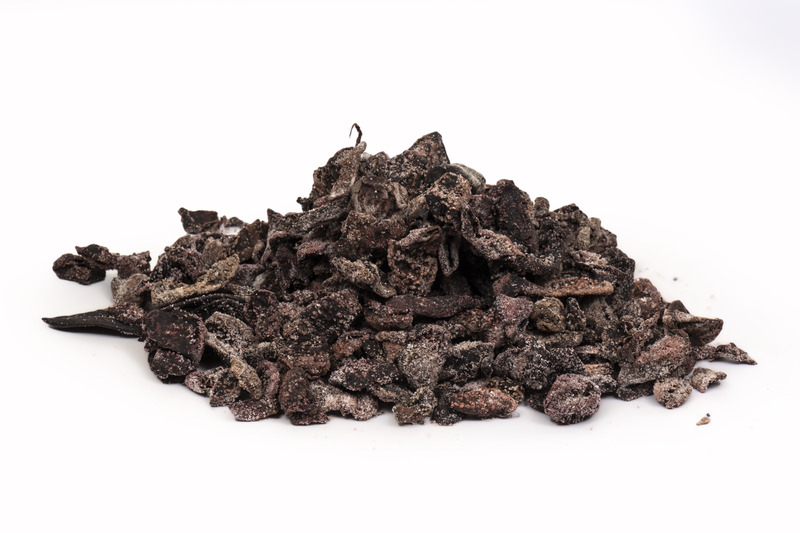
Garcinia Indica, known as Kokam, is a tropical fruit used in traditional cuisine and medicine. Its dried rind is used as a souring agent in dishes, while its extracts are valued for their antioxidant and digestive properties. Kokam is beneficial for promoting healthy digestion, improving skin health, and supporting weight management through its natural compounds.
Beta Vulgaris Subsp. Vulgaris 'Conditiva Group,' or Beet Root, is a nutritious vegetable known for its rich content of vitamins, minerals, and antioxidants. Beet Root supports cardiovascular health, enhances stamina, and aids in detoxification. Its vibrant color and health benefits make it a popular choice in juices, salads, and health supplements for boosting overall vitality.
Capparis Decidua, also known as Ker, is a medicinal shrub used in traditional practices. Its fruits and leaves are utilized for their diuretic, anti-inflammatory, and antimicrobial properties. Ker is commonly used to treat urinary tract infections, digestive issues, and skin conditions. Its versatile medicinal uses and natural benefits make it valuable in herbal treatments.
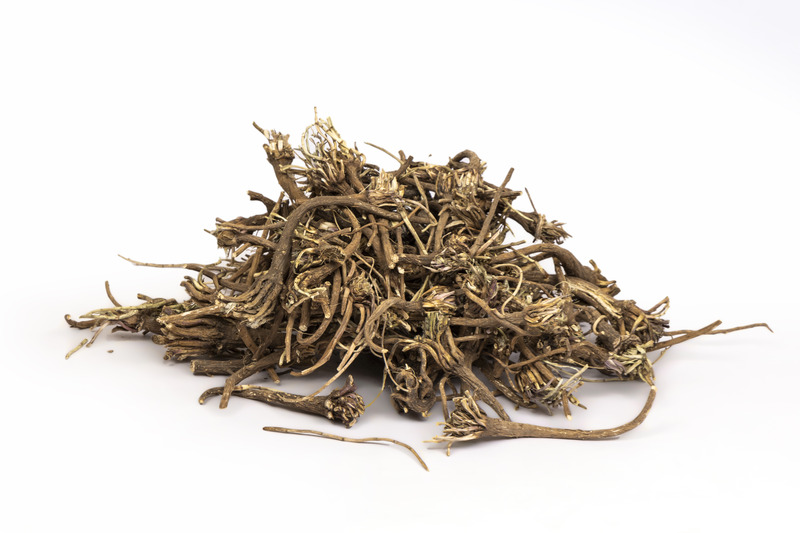
Anacyclus Pyrethrum, or Akarkara, is a medicinal herb used for its stimulating and tonic properties. It is traditionally used to improve cognitive function, enhance libido, and treat digestive disorders. Akarkara’s roots are known for their potential to boost energy levels and overall vitality, making it a valued herb in holistic health and wellness..
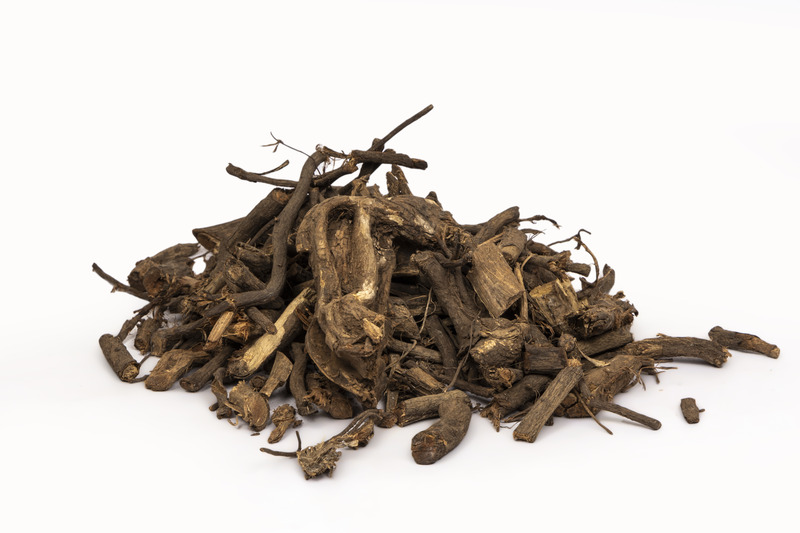
Plumbago Indica, known as Chitrakmool, is a medicinal plant used in Ayurvedic medicine for its digestive and anti-inflammatory benefits. Its roots are utilized to treat digestive issues, promote appetite, and support metabolic health. Chitrakmool’s therapeutic properties make it a valuable herb for maintaining digestive balance and overall health.
Berberis Aristata, or Daru Haldi, is a plant valued for its medicinal properties, especially its antimicrobial and anti-inflammatory effects. The roots and bark are used in traditional medicine to treat skin conditions, digestive disorders, and infections. Daru Haldi’s therapeutic uses make it an important herb in holistic healing practices.
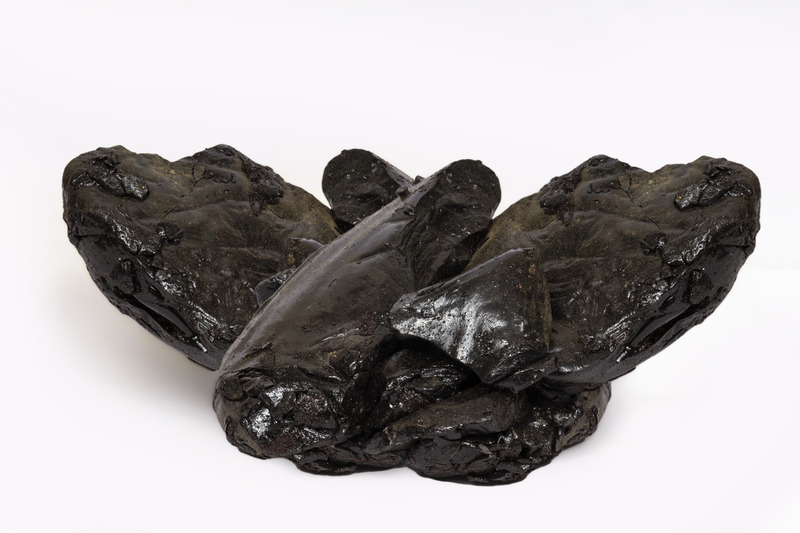
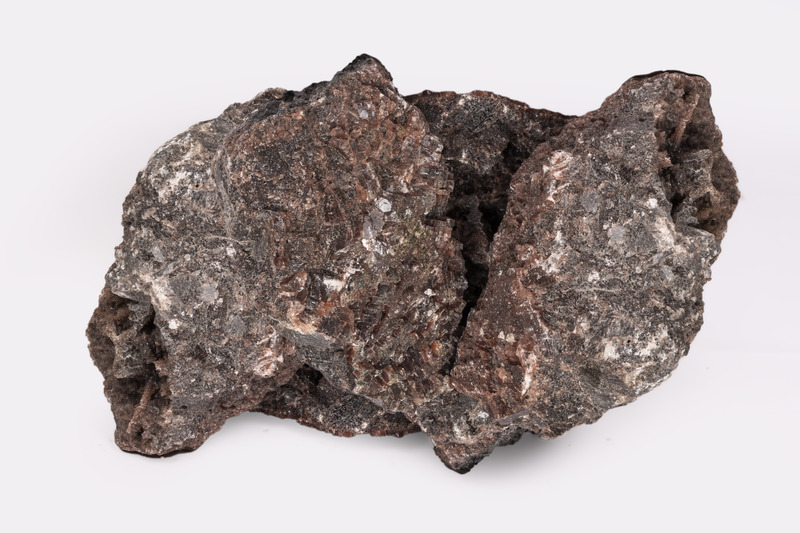
Asphaltum Punjabianum, commonly known as Shilajeet, is a mineral-rich resin used in traditional medicine. It is renowned for its rejuvenating and anti-aging properties, helping to enhance physical stamina and mental clarity. Shilajeet supports overall vitality, promotes healthy aging, and boosts energy levels, making it a key ingredient in Ayurvedic formulations.
Terminalia Chebula, also known as Jeevnat Harad, is a revered medicinal herb used for its powerful antioxidant and digestive benefits. It is commonly used in traditional medicine to improve digestive health, support detoxification, and enhance immunity. Jeevnat Harad’s ability to promote overall well-being makes it a staple in herbal remedies.
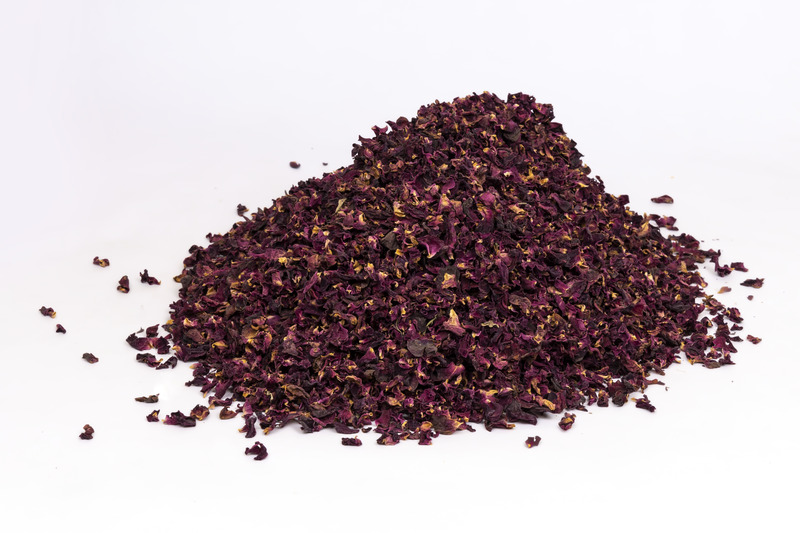
Rosa, or Rose Petal, is prized for its beauty and medicinal properties. Rose petals are used in skincare for their soothing and anti-inflammatory effects, and their natural fragrance is often used in aromatherapy. Rich in antioxidants, rose petals help improve skin texture, reduce redness, and support emotional well-being.
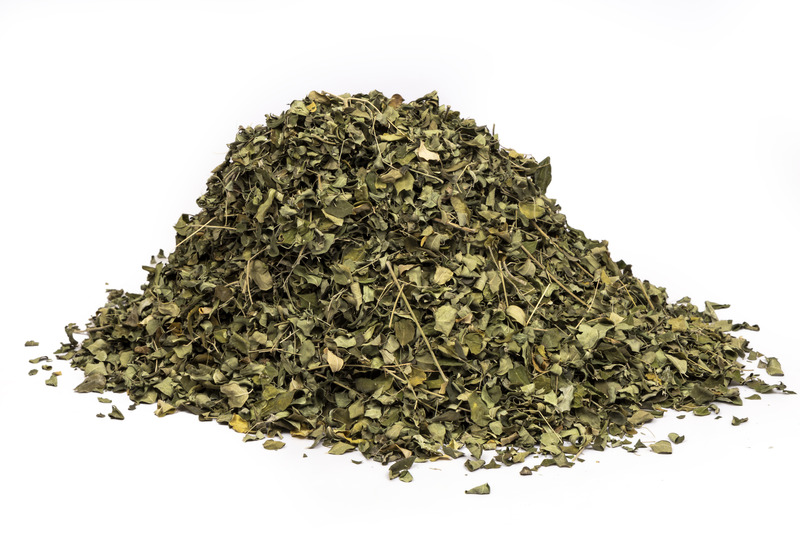
Murraya Koenigii, or Curry Leaves, are aromatic leaves used in cooking and traditional medicine. They are known for their rich content of antioxidants, vitamins, and minerals. Curry Leaves support digestive health, improve metabolism, and enhance hair health. Their distinct flavor and health benefits make them a valuable addition to a balanced diet.
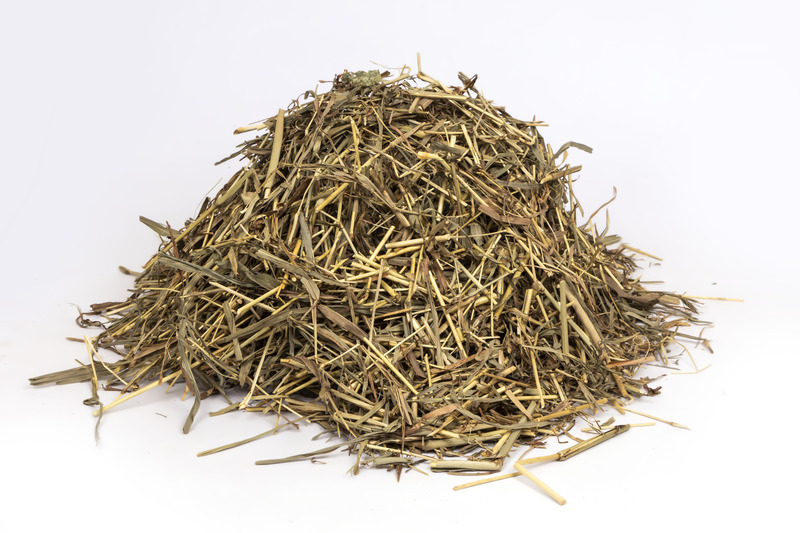
Triticum, or Wheat Grass, is a nutrient-dense plant known for its high vitamin and mineral content. It is commonly used in juices and supplements for its detoxifying, antioxidant, and immune-boosting properties. Wheat Grass supports overall health, aids digestion, and enhances energy levels, making it a popular choice for health enthusiasts.
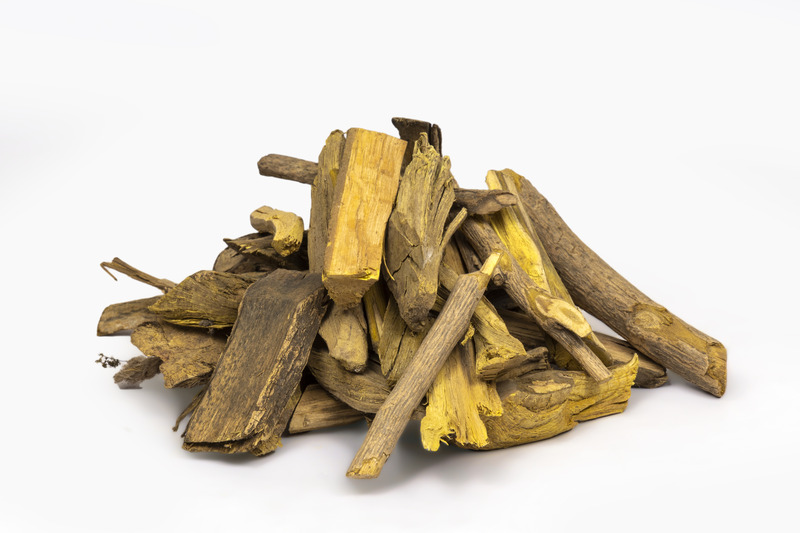
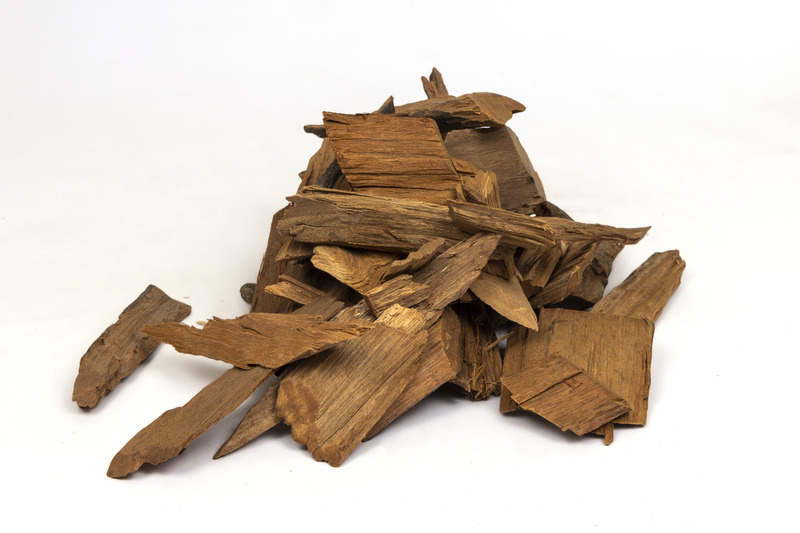
Pterocarpus Marsupium, or Vijay Sar, is a medicinal tree used in traditional medicine for its anti-diabetic and anti-inflammatory properties. Its bark and wood are utilized to support blood sugar regulation, improve metabolic health, and treat various ailments. Vijay Sar’s therapeutic benefits make it a valuable herb in holistic health practices.
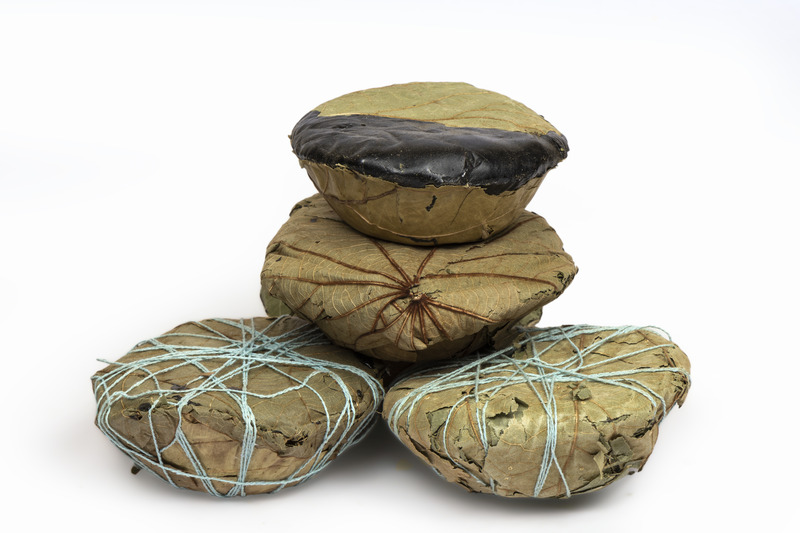
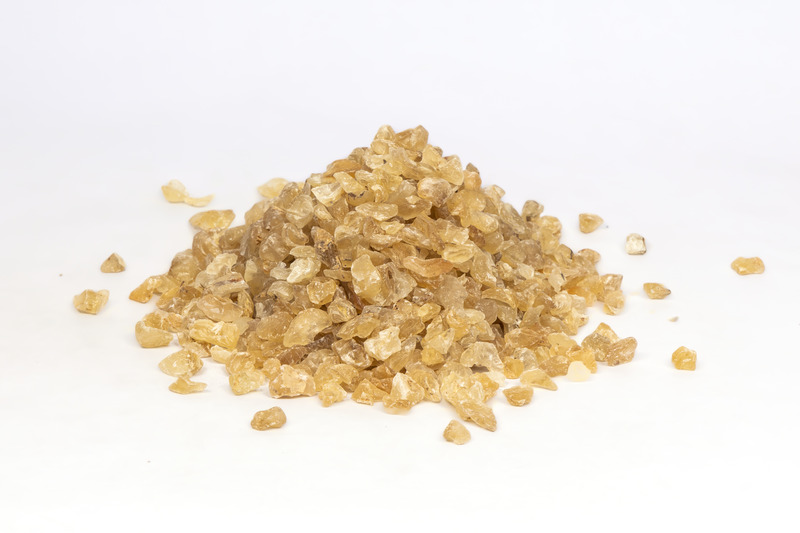
Astragalus Gummifer Gond, or Gond Kathira, is a resin used in traditional medicine for its energy-boosting and immune-enhancing properties. It supports overall health by improving stamina, aiding digestion, and boosting immunity. Gond Kathira is valued for its natural benefits and is commonly used in various herbal formulations.
Myrica Esculenta, or Kayfal, is a fruit-bearing plant known for its medicinal properties. It is used to treat digestive issues, respiratory problems, and skin conditions. Kayfal’s fruits and leaves have anti-inflammatory and antimicrobial effects, making it a valuable plant in traditional medicine for promoting health and healing.
Cyperus Scariosus, or Nagarmoth, is a medicinal plant used in traditional practices for its anti-inflammatory and digestive benefits. Its rhizomes are used to treat digestive disorders, respiratory issues, and inflammatory conditions. Nagarmoth’s therapeutic properties make it an important herb in holistic health and wellness.
Curcuma Amada, or Aama Haldi, is a type of turmeric known for its potent anti-inflammatory and digestive benefits. Its rhizomes are used to treat digestive issues, support liver health, and promote overall well-being. Aama Haldi’s medicinal properties make it a valuable herb in traditional and modern medicine.
Prunus Dulcis, or Pooja Almond, is a nut known for its nutritional benefits. Almonds are rich in healthy fats, vitamins, and minerals, supporting heart health, brain function, and skin health. They are commonly consumed as a snack or used in various culinary applications for their flavor and health benefits.
Ziziphus Mauritiana, or Haw Ber, is a fruit used in traditional medicine for its health benefits. It has anti-inflammatory, antimicrobial, and antioxidant properties, making it useful for treating digestive issues, skin conditions, and respiratory problems. Haw Ber’s medicinal qualities make it a valuable fruit in holistic health practices.
Terminalia Chebula, or Baal Harad, is a revered herb known for its potent antioxidant and digestive benefits. It is used in traditional medicine to support digestion, improve immunity, and promote overall health. Baal Harad’s therapeutic properties make it a key ingredient in various herbal remedies and wellness products.
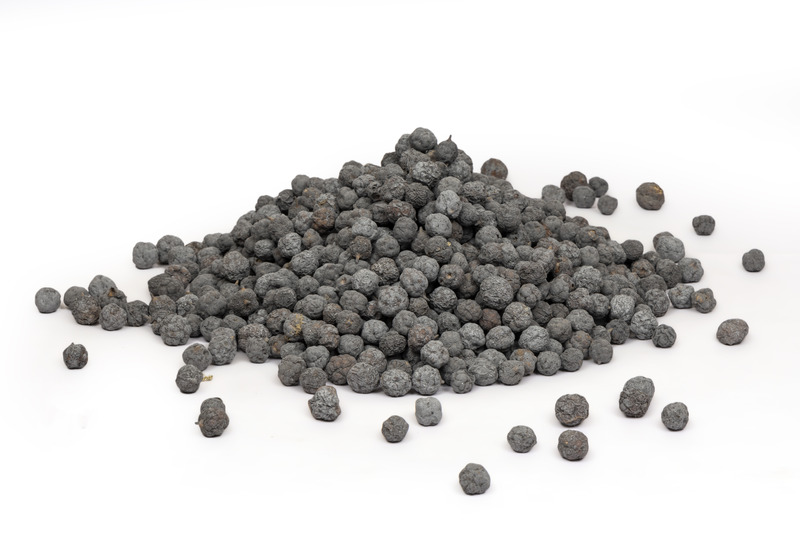
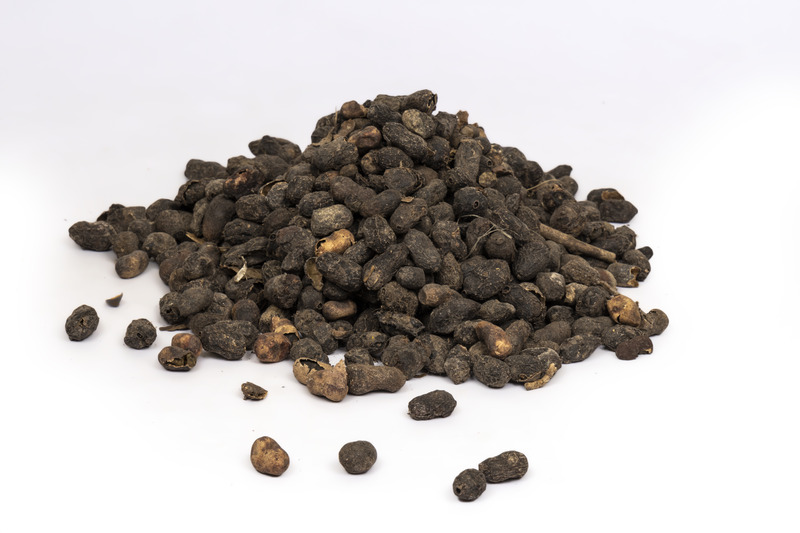
Syzygium Cumini, or Jamun Seed, is a fruit seed known for its medicinal benefits. It has anti-diabetic, antioxidant, and antimicrobial properties, making it useful for managing blood sugar levels, supporting digestion, and improving skin health. Jamun Seed is a valuable component in traditional medicine and health supplements.
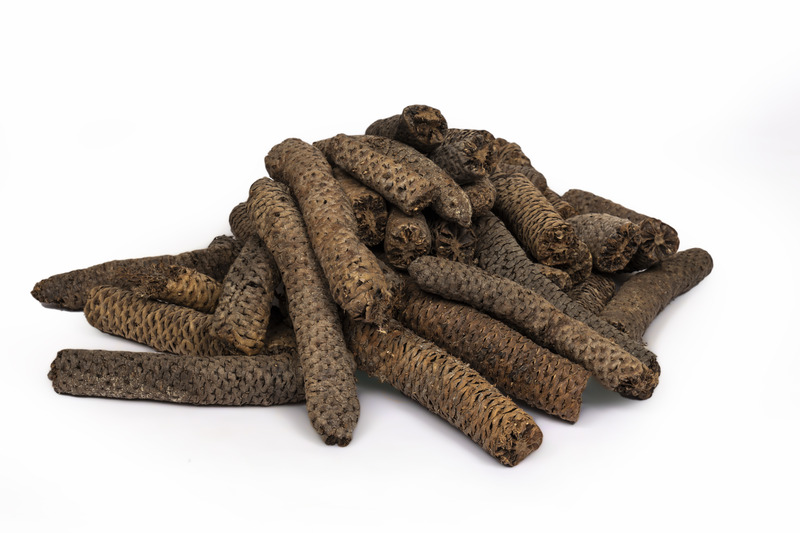
Scindapsus Officinalis, or Gaj Pipal, is a plant used in traditional medicine for its therapeutic benefits. It is known for its anti-inflammatory and antimicrobial properties. Gaj Pipal is utilized to treat respiratory issues, digestive disorders, and skin conditions, making it a valuable herb in holistic health practices.
Cassia Senna, or Seena Leaves, is a plant used for its potent laxative effects. It is commonly used to treat constipation and promote digestive health. The leaves contain compounds that stimulate bowel movements, making Seena Leaves a valuable herb for maintaining regularity and digestive wellness.
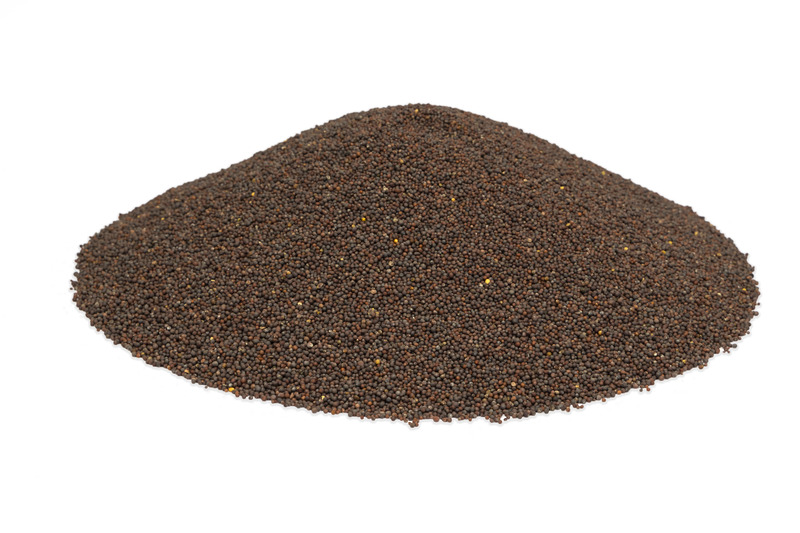
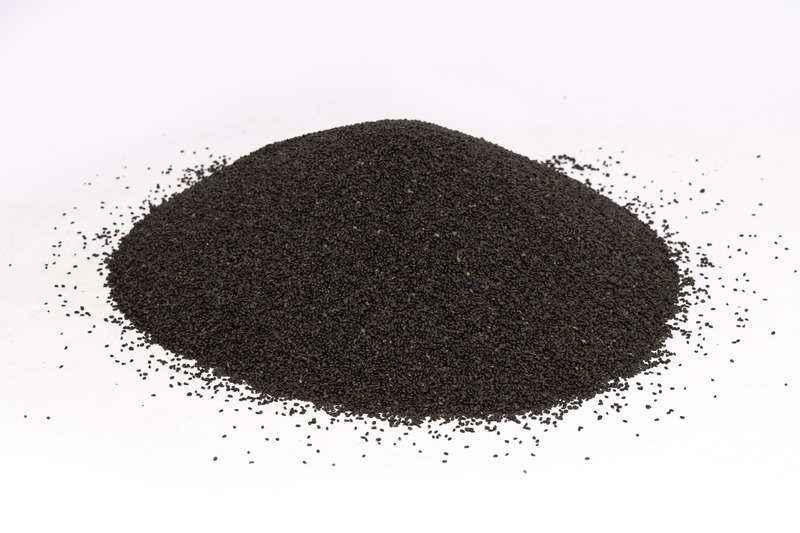
Sesamum Indicum, or Black Til, is a seed known for its nutritional benefits. Black Til is rich in healthy fats, proteins, and minerals, supporting heart health, bone strength, and overall wellness. It is commonly used in cooking and traditional medicine for its health-promoting properties and rich flavor.
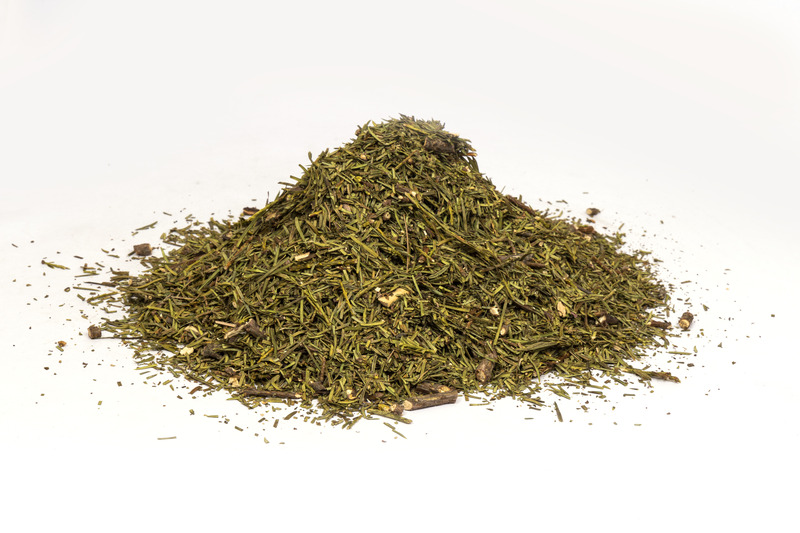
Abies Spectabilis, or Talispatra, is a plant used in traditional medicine for its therapeutic benefits. It is known for its anti-inflammatory and analgesic properties. Talispatra is utilized to treat joint pain, respiratory issues, and skin conditions, making it a valuable herb in holistic health and wellness.
Salvia Hispanica, or Chia Seeds, is a nutrient-dense seed known for its high omega-3 fatty acids, fiber, and antioxidants. Chia Seeds support heart health, improve digestion, and enhance energy levels. They are commonly used in smoothies, salads, and baked goods for their health benefits and versatility.
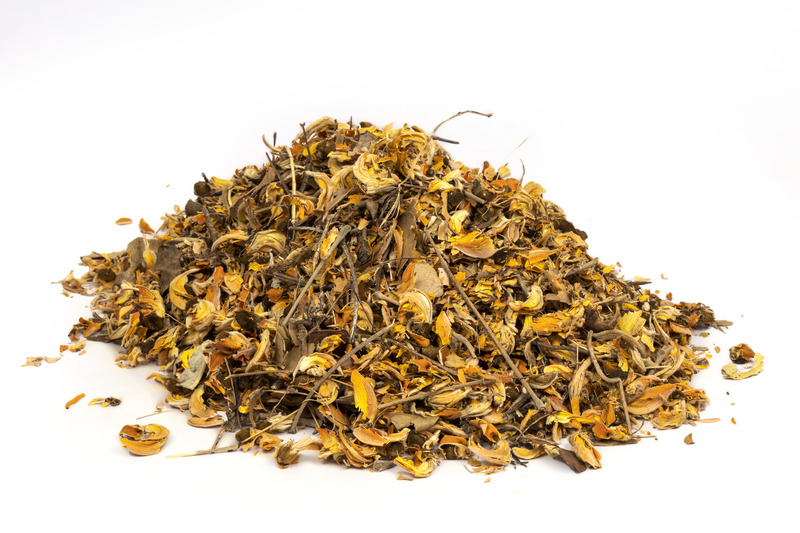
Butea Monosperma, or Tesula Flower, is a plant known for its medicinal and cultural significance. Its flowers are used for their anti-inflammatory and antioxidant properties. Tesula Flower supports skin health, aids in healing wounds, and is used in traditional remedies for its therapeutic benefits.
Moringa Oleifera, or Moringa Stick, is a plant celebrated for its high nutritional value. Moringa is rich in vitamins, minerals, and antioxidants, supporting overall health, boosting immunity, and improving digestion. The leaves and sticks are used in cooking and supplements for their health-promoting properties.
Mesua Ferrea, or Naag Kesar, is a medicinal tree valued for its therapeutic properties. Its flowers and bark are used to treat digestive disorders, skin conditions, and respiratory issues. Naag Kesar’s anti-inflammatory and antimicrobial effects make it a significant herb in traditional medicine.
Eclipta Prostrata, or Bhringraj, is a plant used in traditional medicine for its benefits to hair and liver health. It has anti-inflammatory and hepatoprotective properties, promoting healthy hair growth and supporting liver function. Bhringraj is a popular herb in Ayurvedic treatments for its restorative and rejuvenating effects.
Trigonella Foenum-Graecum, or Kasuri Methi, is a herb used for its culinary and medicinal properties. It is known for its ability to enhance digestion, support blood sugar control, and improve overall health. Kasuri Methi’s leaves and seeds are used in cooking and traditional medicine for their beneficial effects.
Azadirachta Indica, or Neem Leaves, is a plant known for its powerful antimicrobial and anti-inflammatory properties. Neem is used to treat skin conditions, digestive issues, and infections. Its leaves are commonly used in traditional medicine and skincare products for their healing and purifying effects.
Mentha × Piperita, or Mint Leaves, is a popular herb known for its refreshing flavor and medicinal properties. Mint aids in digestion, soothes respiratory issues, and provides relief from headaches. It is used in culinary applications, teas, and traditional remedies for its cooling and therapeutic effects.
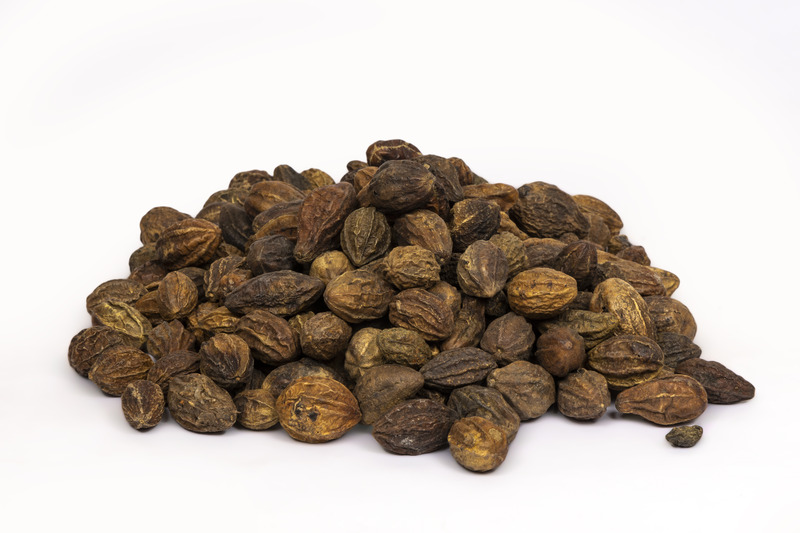
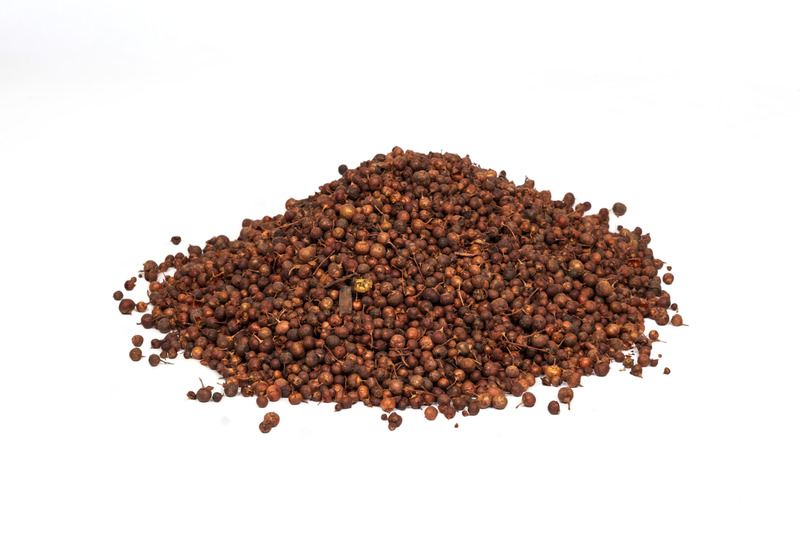
Sapindus, or Aritha, is a plant used for its natural cleansing and foaming properties. The nuts are traditionally used as a soap substitute and for their antibacterial effects. Aritha is utilized in natural cleaning products, skincare, and hair care for its gentle and effective cleansing abilities.
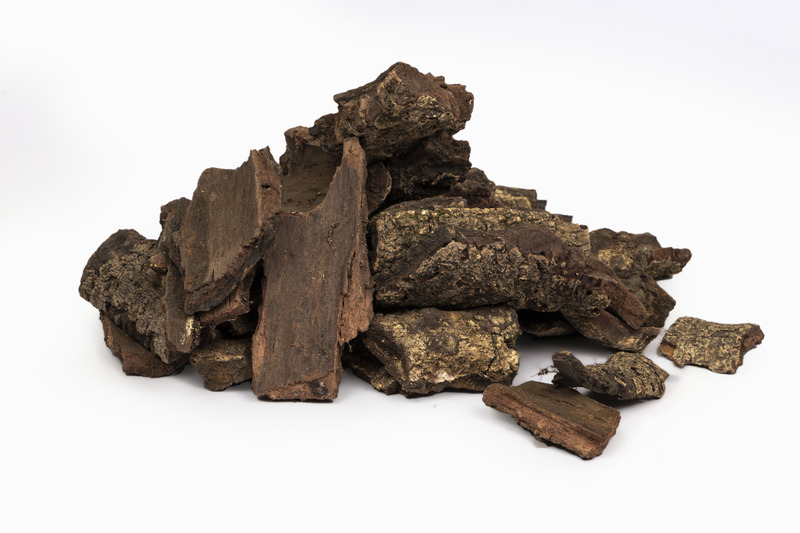
Terminalia Arjuna, or Arjun Chaal, is a medicinal tree known for its cardiovascular benefits. Its bark is used to support heart health, improve circulation, and treat respiratory conditions. Arjun Chaal’s therapeutic properties make it a significant herb in traditional medicine for maintaining heart and overall health.
Areca Catechu, or Suw Supari, is a plant known for its use in traditional practices. Its seeds are chewed for their stimulating effects and are used in various cultural rituals. Suw Supari has astringent and stimulant properties, making it a valued component in traditional health and cultural practices.
Phyllanthus Emblica, or Amla, is a fruit renowned for its high vitamin C content and antioxidant properties. Amla supports immune health, aids in digestion, and promotes healthy skin. It is used in various herbal formulations and supplements for its rejuvenating and protective effects on overall health.
Sodium Chloride, or Black Salt, is a mineral salt used in cooking and traditional medicine. It is known for its distinctive flavor and potential health benefits, including aiding digestion and balancing electrolytes. Black Salt is used in various culinary applications and remedies for its unique properties.
Aegle Marmelos, or Belgiri, is a fruit used in traditional medicine for its digestive and anti-inflammatory benefits. It is known for its ability to support digestive health, improve skin conditions, and enhance overall well-being. Belgiri’s medicinal properties make it a valuable component in herbal remedies and health practices.
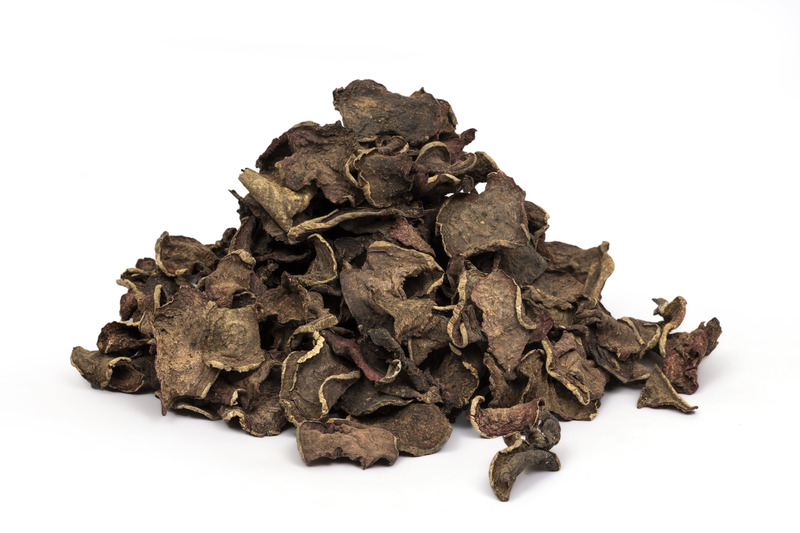
Rubia Cordifolia, or Manjistha, is a herb used in traditional medicine for its blood-purifying and anti-inflammatory properties. It supports skin health, detoxification, and overall vitality. Manjistha is valued for its ability to improve complexion and promote healthy skin through its natural therapeutic effects.
Catunaregam Spinosa, or Mainfal, is a plant used in traditional medicine for its anti-inflammatory and antimicrobial benefits. It is utilized to treat various ailments, including skin conditions and infections. Mainfal’s therapeutic properties make it a valuable herb in holistic health and wellness practices.
Terminalia Bellirica, or Baheda, is a medicinal plant used for its digestive and detoxifying benefits. Its fruit is known for its antioxidant properties, supporting overall health and wellness. Baheda is a key ingredient in traditional herbal formulations for promoting digestive health and general well-being.
Terminalia Chebula, or Harad Chilka, is a herb used in traditional medicine for its potent antioxidant and digestive properties. It is utilized to support digestion, enhance immunity, and promote overall health. Harad Chilka’s therapeutic benefits make it a significant herb in holistic health practices.
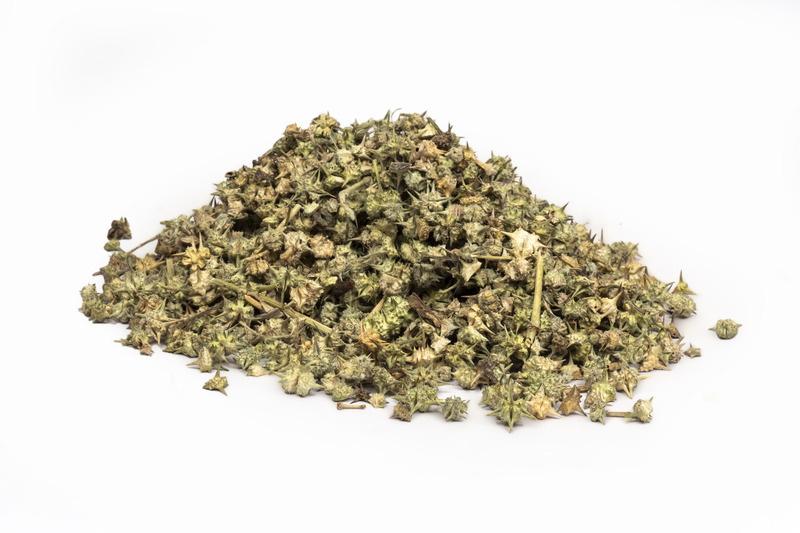
Tribulus Terrestris, or Gokharu, is a plant used for its stimulating and adaptogenic properties. It is known to support physical performance, enhance libido, and improve overall vitality. Gokharu is valued in traditional medicine for its ability to boost energy levels and support overall health.